Cinque Terre Weather in Winter and Early Spring: A Local’s Guide

Understanding the Cinque Terre weather winter and early spring is essential for any traveler seeking an authentic experience away from the summer heat. Indeed, the Ligurian coast enjoys a unique microclimate that creates dramatic and beautiful conditions during the colder months. Consequently, knowing what to expect allows you to pack correctly and plan your days effectively. This guide provides a detailed look at the temperatures, rainfall, and atmospheric shifts you will encounter.
Understanding the Mediterranean Maritime Climate
The Cinque Terre climate is profoundly influenced by the proximity of the Apennine Mountains to the sea. Therefore, the mountains act as a protective barrier against the cold northern winds. In fact, this results in winters that are generally much milder than those in Milan or Florence. However, the maritime influence also means that humidity can be high, and weather patterns can shift rapidly.
Throughout the winter, the average daytime temperatures range between 10°C and 14°C (50°F – 57°F). While these numbers seem mild, the “perceived temperature” can feel different depending on the wind. Specifically, when the Tramontana wind blows from the north, the air feels crisp and dry. Conversely, a southern wind can bring moisture and a softer, warmer feel to the villages. Thus, the climate remains dynamic and engaging throughout the season.
Winter in the Villages: December to February
During the heart of winter, the villages take on a peaceful, quiet beauty. Because the sun sits lower in the sky, the light during the “golden hour” is exceptionally long and warm. Consequently, this period is a favorite for professional photographers. However, you should be prepared for shorter daylight hours, with the sun setting around 4:30 PM or 5:00 PM in December.
Rainfall is most frequent in late autumn and early winter. Therefore, December can be quite damp. Nevertheless, these rains are often interspersed with days of brilliant, cloudless blue skies. In addition, it is worth noting that snow is an extremely rare occurrence at sea level. Instead, you are more likely to witness spectacular sea storms where the waves crash against the colorful houses of Riomaggiore or Manarola. These moments are a powerful reminder of the raw natural beauty of the Ligurian Riviera.

The Transition to Early Spring: March and April
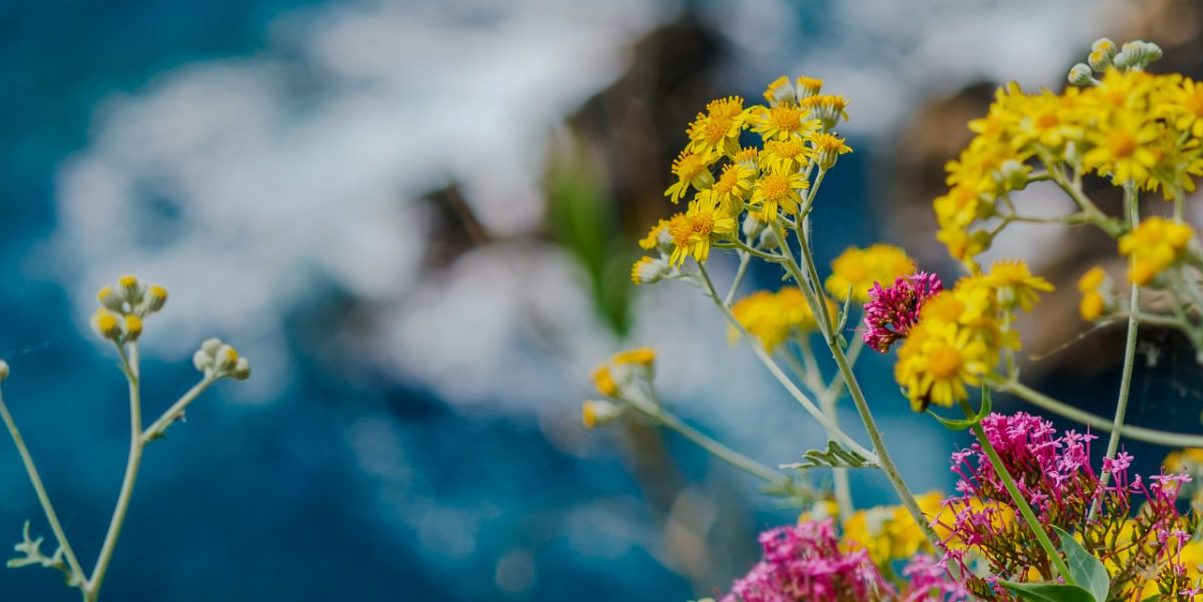
As the calendar turns toward March, the Cinque Terre weather spring begins to reveal its vibrant colors. Indeed, this is one of the most beautiful times to visit for nature lovers. Furthermore, the transition from winter to spring is marked by the blooming of wild mimosa and lemon trees. Consequently, the air begins to carry the sweet scent of Mediterranean flora.
The temperatures in early spring start to climb, reaching a comfortable 15°C to 18°C (59°F – 64°F). However, March is famously unpredictable in Italy, often described by locals as pazzarello (a bit crazy). Therefore, you might experience a warm, sunny morning followed by a sudden afternoon shower. In fact, these showers are usually brief and help to keep the landscape lush and green. Thus, spring offers the perfect conditions for hiking without the oppressive humidity of July.
Local Advice: Managing the Rain
Do not let a rainy day dampen your spirits. When the weather turns wet, it is the perfect time to visit a local enoteca in Vernazza or Corniglia. Specifically, you can enjoy a wine tasting or a long, slow lunch of authentic Ligurian cuisine. Furthermore, many local museums and historic churches offer dry and atmospheric retreats until the clouds clear.
Strategic Packing for the Changing Seasons
Because the Cinque Terre climate is so variable, the secret to a successful trip is “layering.” Therefore, your suitcase should include a mix of light and medium-weight clothing. Specifically, we recommend high-quality thermal base layers and a versatile mid-layer, such as a fleece or a light wool sweater.
A windproof and waterproof jacket is absolutely essential. Moreover, since you will be walking on uneven stone streets and coastal paths, waterproof footwear with a good grip is a must. In addition, remember to bring a pair of sunglasses. Even in winter, the sun reflecting off the Mediterranean Sea can be surprisingly bright and intense. Consequently, being prepared for all scenarios will ensure you can focus on the beauty of the landscape.
Hiking and the Weather: What You Need to Know
The status of the Cinque Terre hiking trails is directly linked to the weather conditions. Therefore, the National Park authorities may close certain coastal paths after heavy rain to prevent accidents on slippery surfaces. However, the higher trails, such as those leading to the sanctuaries, often remain accessible and offer incredible panoramic views.
The Cinque Terre weather winter months are actually ideal for serious trekking. Since you are not battling the heat, you can cover more distance with less fatigue. In fact, many local hikers prefer the winter and spring for their excursions. Nevertheless, always check the weather forecast before setting off and ensure you have enough daylight to complete your route. If you have any doubts, our team at the Vernazza office is always available to provide real-time updates on trail safety.
Why the Weather Makes Every Visit Unique
The beauty of the Cinque Terre is that it is not a static postcard. Instead, it is a living, breathing landscape that changes with the tides and the clouds. Consequently, visiting during the winter or spring allows you to see a side of the region that most tourists miss. Whether you are watching a storm from a cozy apartment or hiking under the soft spring sun, the weather is part of the adventure.
The quietness of the villages during these seasons creates a sense of exclusivity. Indeed, you will often find yourself alone on a viewpoint that would be crowded in August. Therefore, the “best time to visit” is not necessarily the sunniest time, but the time that offers the most authentic connection to the territory. By choosing the off-season, you embrace the true spirit of Liguria.
Planning Your Visit with Local Experts
Planning a trip during the transition seasons requires a bit more local insight. Because we live and work here all year round, we understand the nuances of the Cinque Terre weather winter and spring. Furthermore, we can help you choose the right accommodation—perhaps a cozy apartment with a fireplace or a terrace that catches the midday sun.
Thus, let the weather be your guide to a slower, more meaningful travel experience. Our local knowledge ensures that regardless of the forecast, your stay will be comfortable, safe, and unforgettable.