Zimmer: How Vernazza Became a Tourist Village
Before Booking.com, before Instagram — the story of the first strangers who came here looking for a room
By Cinque Terre Riviera · With thanks to Bartolomeo “Tofa” Basso, poet and keeper of Vernazza’s memory
📌 The short version: The first regular tourists in Vernazza were German hikers who arrived on the train and asked for a room — a Zimmer. The women of the village would go to the station to meet them. Nobody said “room”. Nobody said “camera”. They said Zimmer — and the word stuck, along with everything that came after it.
🚝 Before the tourists: a village of fishermen and farmers
For most of its history, Vernazza was not a destination. It was a place where people lived — fishing the Ligurian Sea, cultivating the steep terraced vineyards above the village, raising families in the narrow caruggi. The train arrived in the nineteenth century, connecting the five villages to La Spezia and Genova. But for decades it was used mainly by locals, not by visitors.
“We had very little,” says Bartolomeo “Tofa” Basso, born in Vernazza in 1928 and still living here at 97. “The caruggi, the sea, a little land and the church.” It was a world of subsistence and community — beautiful, in retrospect, but not wealthy.
🇩🇪 Zimmer — the word that changed everything
The first tourists who came to Vernazza in any regular way were German. Hikers, mostly — drawn to the Ligurian coast by its beauty and its trails, arriving by train with rucksacks and looking for somewhere to sleep.
The village had no hotels. What it had was spare rooms, and women willing to rent them. The women of Vernazza would go down to the train station when the train arrived and look for the forestieri — the outsiders — and offer them a bed. The word they used was not room or camera. It was the word the guests themselves used: Zimmer. German for room. And it became the local word for the whole business of renting to visitors — a German word absorbed into the Vernazza dialect and still remembered today.
This is how hospitality began in the Cinque Terre. Not with platforms or algorithms. With a woman on a platform, watching the train pull in.
✍️ Tofa’s poem: Maria and Giuseppe looking for a Zimmer
Tofa, who has been writing poetry in the Vernazza dialect since 1980, immortalised this era in one of his most celebrated verses — a parodic reimagining of the Nativity story, set in a December Vernazza deserted of tourists.
In the poem, Mary and Joseph arrive in Vernazza looking for a place to rest. They knock on door after door, asking for a room. The village is quiet. The season is over. But — in a detail that captures the whole spirit of that era — a woman leans out of her window and quotes the price. Seventy euros if you’re married. Ninety if you’re not. And then, as the church bell strikes midnight on Christmas Eve, she counts the money and sings.
Zimmer… di dove siete… avete da alloggiarci?
che venghe de ste feste e tanta gente… tanta
Siete marito e moglie? Me dè setanta Euro;
Se invece non lo siete Alua ghe’n vo nuvanta
La coppia paga e trema. La Zimmer conta e canta
E nu ghe’n frega propiu da Mezanotte Santa
Translation (approximate):
“Zimmer… where are you from… do you need a room?
The holidays bring so many people… so many
Are you husband and wife? That’s seventy euros;
If you’re not, then it’s ninety
The couple pays and trembles. The landlady counts and sings
And couldn’t care less about Holy Midnight.”
— Bartolomeo “Tofa” Basso · from his poem Zimmer, written in the Vernazza dialect
The poem is funny, affectionate, and precisely observed. The Zimmer lady is not a villain — she is a businesswoman doing what Vernazza women have always done: making something from what they have. The irony is gentle. The portrait is loving.
🌍 From Zimmer to the world
From those first German hikers with their rucksacks, the story of Vernazza as a tourist destination slowly expanded. By the time Cinque Terre Riviera was founded in 1991, a new generation of visitors was arriving — from Britain, France, the United States, Japan. The word was no longer Zimmer. But the spirit was the same: someone from outside the village, arriving by train, looking for a place to sleep and a person to trust.
What has changed is the scale and the technology. What has not changed is the essential transaction — a visitor who wants to experience something real, and a local who can offer it. We like to think we are part of the same long story that began on the Vernazza station platform, with a woman waiting for the train.
FAQ — Vernazza and tourism
❓ When did tourists first start visiting the Cinque Terre?
The first regular visitors began arriving in the early twentieth century, predominantly German hikers drawn to the Ligurian coast by its dramatic scenery and trails. The railway, built in the nineteenth century, made access possible. Mass tourism came much later — from the 1980s onwards, with a sharp increase after the area became a UNESCO World Heritage Site in 1997.
❓ Why is Vernazza considered the most beautiful of the five villages?
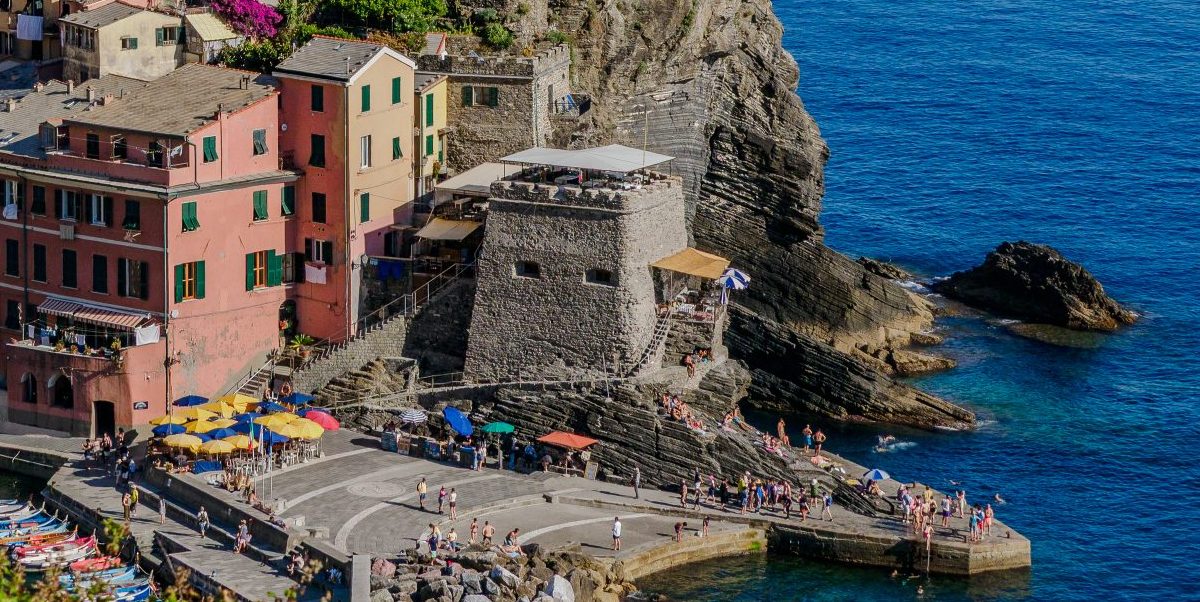
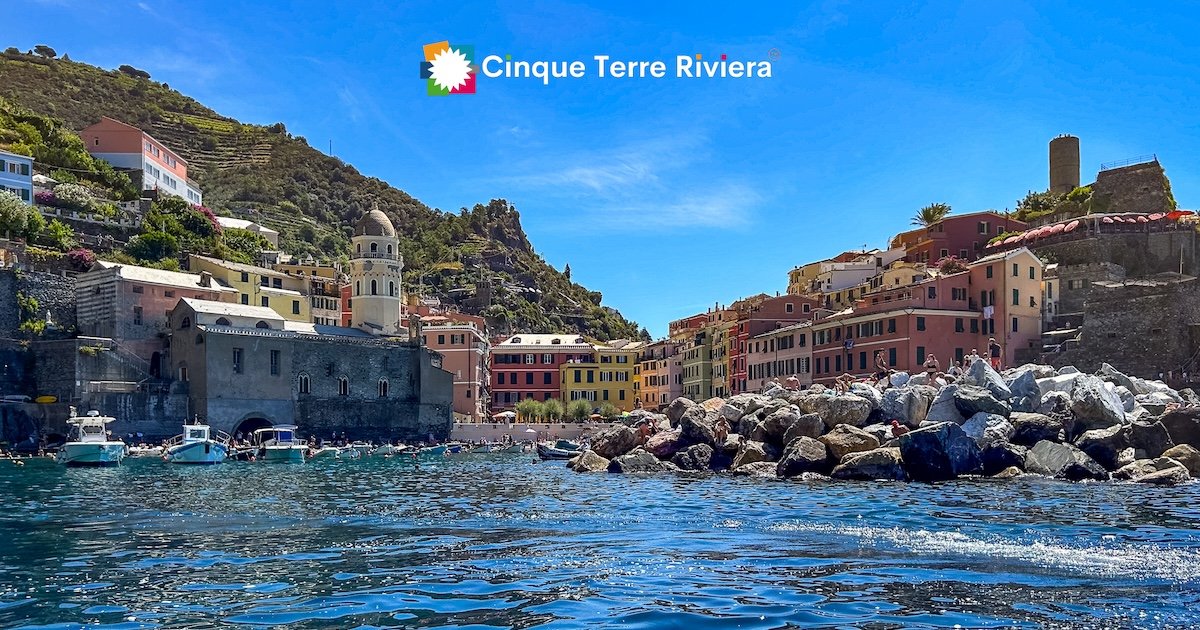
Vernazza is the only village with a natural harbour, which gives it a distinctive character — the colourful palazzata of medieval houses reflected in the water, the castle tower above, the church of Santa Margherita d’Antiochia at the edge of the sea. It sits at the geographical centre of the five villages and is widely considered the most photogenic.
❓ Is Vernazza still a “real” village or just a tourist attraction?
Both, honestly. Tourism has transformed the economy and the demographics of Vernazza, as it has all the Cinque Terre villages. But people still live here year-round. The dialect is still spoken by older residents. Traditions like the Benediga still happen at weddings. And there are still people like Tofa — born here, living here, writing poems about the place in the language of the place. The real Vernazza is still there, underneath the tourism. You just need to stay long enough to find it.
❓ Who is Tofa?
Bartolomeo “Tofa” Basso was born in Vernazza on the 29th of February 1928. A former radiotelegraphist and stationmaster, he has been writing poetry in the Vernazza dialect since 1980 and taught the local language in village schools for twenty years. At 97, he is the living memory of a Vernazza that no longer fully exists — and the most eloquent voice of the one that does.
Cinque Terre Riviera · Concierge Office in Vernazza · Since 1991
www.cinqueterreriviera.com