Sustainable Travel in Cinque Terre: How to Visit Responsibly

The five iconic villages of the Ligurian coast are far more than a simple holiday destination. They represent a fragile ecosystem where human ingenuity has carved out a living for centuries. Consequently, practicing sustainable travel in Cinque Terre is not just an option but a necessity to preserve this UNESCO World Heritage site. By choosing to visit with mindfulness, you ensure that the beauty of the terraces and the clarity of the sea remain for generations to come.
Why Sustainable Travel Matters in the Cinque Terre UNESCO World Heritage Site
The landscape of the Riviera is defined by its dramatic terraces, which were built entirely by hand. However, these structures are incredibly delicate and require constant maintenance. Therefore, the rise in global tourism brings both opportunity and significant pressure to the region. Adopting a mindset of responsible tourism in Cinque Terre means recognizing that every choice you make has an impact on the local environment and community.
Furthermore, the National Park is a protected area that hosts unique biodiversity. From the rare flora along the cliffs to the marine life in the turquoise waters, the balance is easily disturbed. In addition, the social fabric of the villages is just as vital as the natural scenery. Consequently, a sustainable approach focuses on harmony between the visitor, the resident, and the land.
The Art of Slow Travel: Choosing the Train and the Trails
Transportation is one of the most significant factors in eco travel in Cinque Terre. The region’s infrastructure is perfectly designed to discourage car use, which is both difficult and environmentally taxing. Instead, the local rail system offers a low-impact way to move between the five villages efficiently. By using the train, you reduce road congestion and minimize carbon emissions in the narrow valleys.
Walking is perhaps the ultimate expression of sustainable travel. The ancient network of pathways allows you to experience the territory at a human pace. Furthermore, by staying on marked trails, you prevent the erosion of the delicate topsoil. It is also important to note that your presence on the trails supports the National Park’s maintenance efforts, as your trekking card funds the restoration of the dry-stone walls.

Supporting the Local Economy: Beyond the Postcard
A crucial pillar of sustainability is the economic well-being of the local community. For instance, instead of opting for mass-produced souvenirs, consider visiting local artisans in Vernazza or Riomaggiore. When you purchase handmade pottery or local textiles, you are directly supporting the traditional crafts that define Ligurian identity. Consequently, your spending becomes an investment in the cultural heritage of the area.
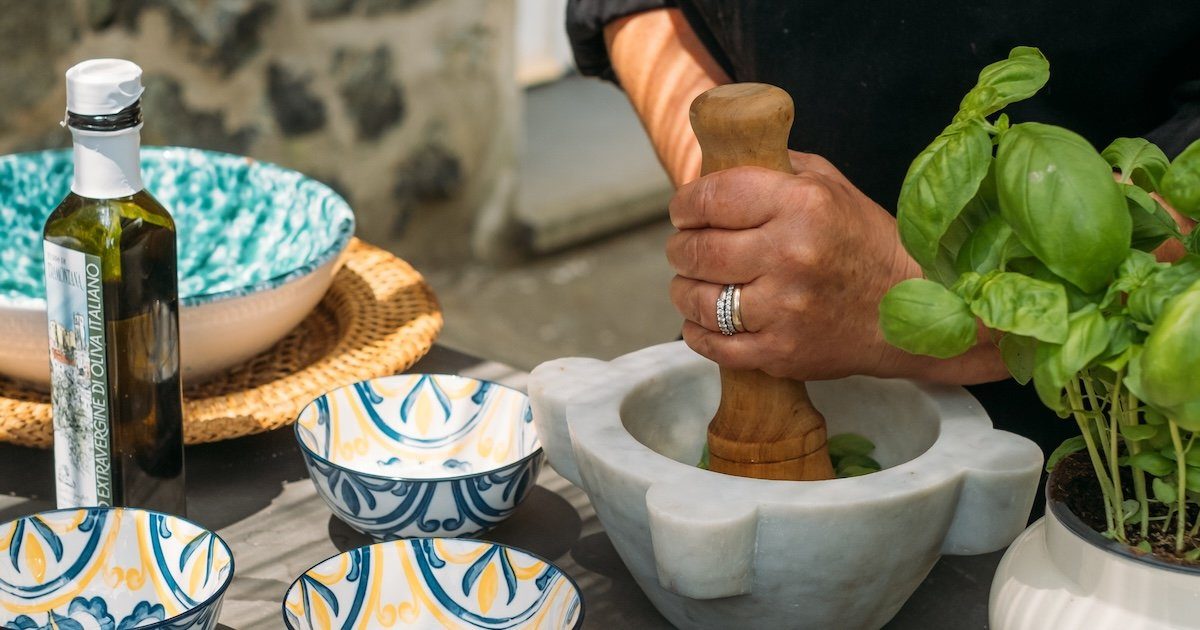
In addition, your culinary choices play a major role in responsible tourism in Cinque Terre. Seek out restaurants that prioritize “zero-kilometre” ingredients. Specifically, look for menus that feature local anchovies from Monterosso, olive oil from the surrounding groves, and vegetables grown in the village gardens. Therefore, by eating locally, you reduce the carbon footprint of your meal while enjoying the most authentic flavors of the Riviera.
Highlights:
- Buying from local artisans
- Eating seasonal, zero-kilometre food
Respecting the Land: Waste and Resource Management
Waste management is a significant challenge in a territory with such complex geography. Because the villages are so compact and vertical, traditional garbage collection is difficult. Therefore, as a responsible traveler, you should strive to minimize the waste you generate. Specifically, avoid single-use plastics and carry a reusable water bottle that you can refill at the many public fountains found in the village squares.
Furthermore, water is a precious resource in the summer and during dry spells. In addition, being mindful of your water consumption in your accommodation shows respect for the local infrastructure. Simple actions, such as shorter showers and reusing towels, may seem small, but collectively they make a substantial difference. Consequently, mindfulness in your daily habits is the foundation of sustainable travel in Cinque Terre.
Local Advice:
Use the Fountains The water from the public fountains in the Cinque Terre is cold, fresh, and perfectly safe to drink. Instead of buying plastic water bottles every day, look for the “fontanelle” in the main squares of each village. This simple habit significantly reduces plastic waste and is a practice that locals have followed for centuries.
Protecting the Heritage: Heroic Agriculture
The survival of the Cinque Terre depends on its vineyards. The local farmers practice what is known as “heroic agriculture” because of the steep terrain and the lack of modern machinery. Consequently, these vineyards are not just for wine production; they are essential for land stabilization. Without the active cultivation of the grapes, the terraces would slowly collapse, leading to dangerous landslides.
When you enjoy a glass of local white wine or the precious Sciacchetrà, you are contributing to the preservation of the landscape. Therefore, supporting these vintners is one of the most effective ways to practice eco travel in Cinque Terre. In addition, many wineries now offer sustainable tours that explain the ecological importance of their work. Specifically, choosing these experiences allows you to learn about the land while providing the financial means for its continued care.
Mindful Timing: The Benefits of Off-Peak Visits
Sustainability is also about managing the flow of people. During the peak summer months, the villages can become overwhelmed, which strains both the infrastructure and the patience of the residents. Therefore, consider visiting during the quieter months of February, March, or late autumn. During these times, the atmosphere is more serene, and you can enjoy a much more personal connection with the territory.
Furthermore, visiting in the off-season allows for a more balanced distribution of tourism revenue throughout the year. In addition, you will find that the local pace of life is much more authentic when the crowds are gone. Consequently, you get to see the “real” Cinque Terre while being a more responsible guest. Indeed, the quiet beauty of the spring bloom or the winter sea is an experience that many travelers find far more rewarding than the summer rush.
Local Advice:
Support the Stone Walls The dry-stone walls are the backbone of the Cinque Terre. They are held together only by gravity and the skill of the builder. Never sit on these walls or climb them for a photo. They are fragile and expensive to repair. By respecting these structures, you are helping to keep the entire mountainside intact.
Becoming a Steward Through Sustainable Travel in the Cinque Terre Riviera
Sustainable travel is a journey of awareness. By choosing to visit responsibly, you transform from a mere observer into a steward of the landscape. Every small decision, from the food you eat to the way you travel between villages, contributes to the overall health of the region. Consequently, the goal of sustainable travel in Cinque Terre is to ensure that your visit leaves a positive, or at least neutral, impact on this extraordinary place.
Indeed, the most memorable travel experiences often come from a deep respect for the destination. Whether you are hiking the high trails or enjoying a quiet evening in a local piazza, your mindfulness enhances your own holiday. Therefore, embrace the principles of sustainability as a way to enrich your journey and protect the unique magic of the Ligurian coast.